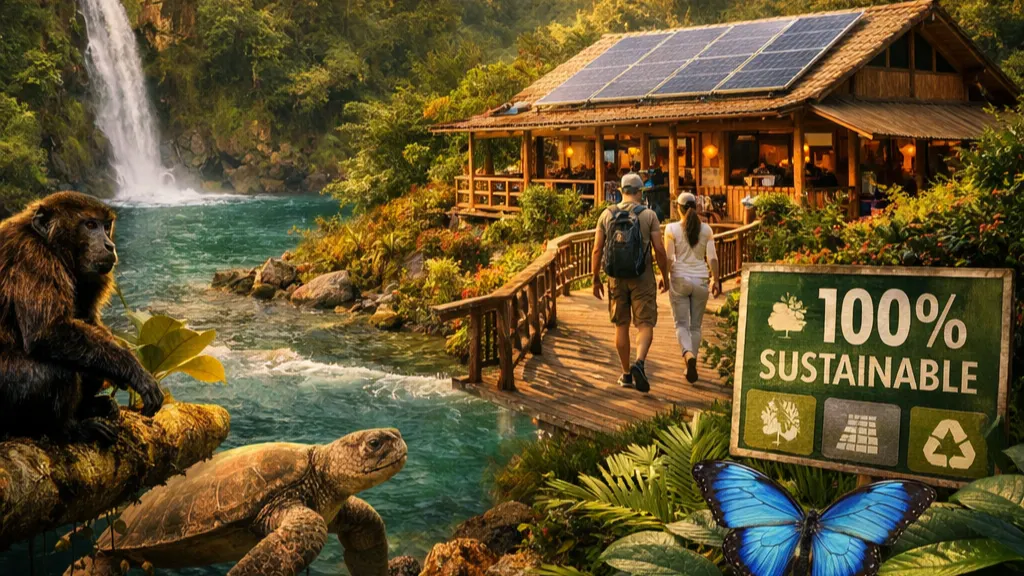
Costa Rica has earned its reputation as a global leader in sustainable tourism, and that distinction isn't marketing—it's policy, practice, and measurable outcome. The country has committed to carbon neutrality, protects over 25% of its land as national parks and reserves, and has pioneered eco-certification programs that hold accommodations and tour operators to rigorous environmental and social standards. For donors, this translates into travel experiences where luxury and responsibility coexist naturally. Eco-lodges nestled in rainforest canopies operate on renewable energy, source food from local organic farms, and employ naturalist guides from surrounding communities. Revenue from tourism directly funds conservation initiatives—protecting endangered species, restoring degraded habitats, and supporting scientific research. When a donor stays at a certified sustainable property in Costa Rica, they're not simply enjoying a beautiful setting; they're participating in a model that has reversed deforestation, expanded wildlife corridors, and created economic alternatives to extractive industries. The country's pura vida ethos extends beyond personal well-being to collective stewardship, and socially conscious donors recognize and respond to that alignment. This is travel that feels purposeful rather than indulgent, where the act of being present contributes to the preservation of what makes the place worth visiting.
Costa Rica

Author Profile
Auction Travels
Auction Travels follows live auctions across America, road-trip discoveries, memorable places to stay, and the restaurants worth visiting along the way.